
Chapter 11 Evaluation
11.0.0.0.1 Each ATE project is required to have an evaluation component to assess its quality and effectiveness. Evaluation of ATE and other NSF-funded projects is intended to serve two distinct purposes: (1) Produce information that can be used to improve a project as it is being implemented and (2) Determine and document a project’s achievements (Frechtling, 2010).
11.0.0.0.2 ATE PIs were asked about their evaluators and interactions with them, as well as their projects’ use and dissemination of evaluation results.
11.1 Evaluation
11.1.0.1 Ninety-three percent of ATE projects engaged an evaluator.
Of the 271 projects with evaluators, 93% reported having an external evaluator, five percent had both an internal and external evaluator, and two percent had only an internal evaluator.
Interaction frequency between ATE projects and their evaluation teams varied across the 267 ATE projects with external evaluators. Among the 267 PIs who reported their frequency of interaction with evaluators, 48% interacted with their evaluators occasionally (more often than quarterly). Thirty percent interacted with their evaluators continually (at least once a week) or often (two or three times a month), and 22% did so infrequently or rarely (once a quarter or less).
11.1.0.1.1 More than half of ATE projects received both oral and written evaluation reports.
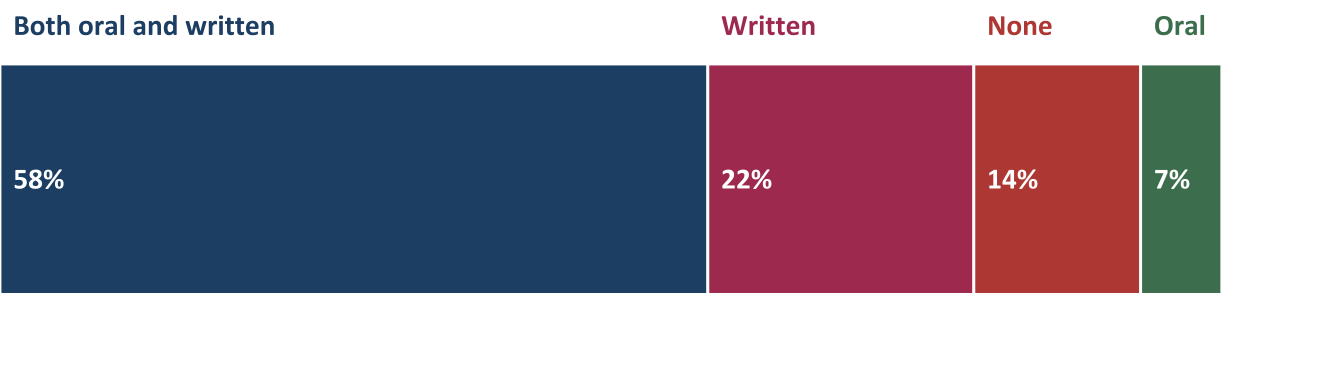
Figure 11.1: Types of evaluation report received by ATE projects (n=271)
Of the 234 PIs who received evaluation reports, 57% indicated their project’s evaluation caused them to make a change in implementing their project, and 42% indicated that the evaluation caused them to make a change in their project’s goals, objectives, or target audience.
11.1.0.1.2 Most projects shared their evaluation results with NSF program officers, their faculty or staff at their host institution, and executive administrators.
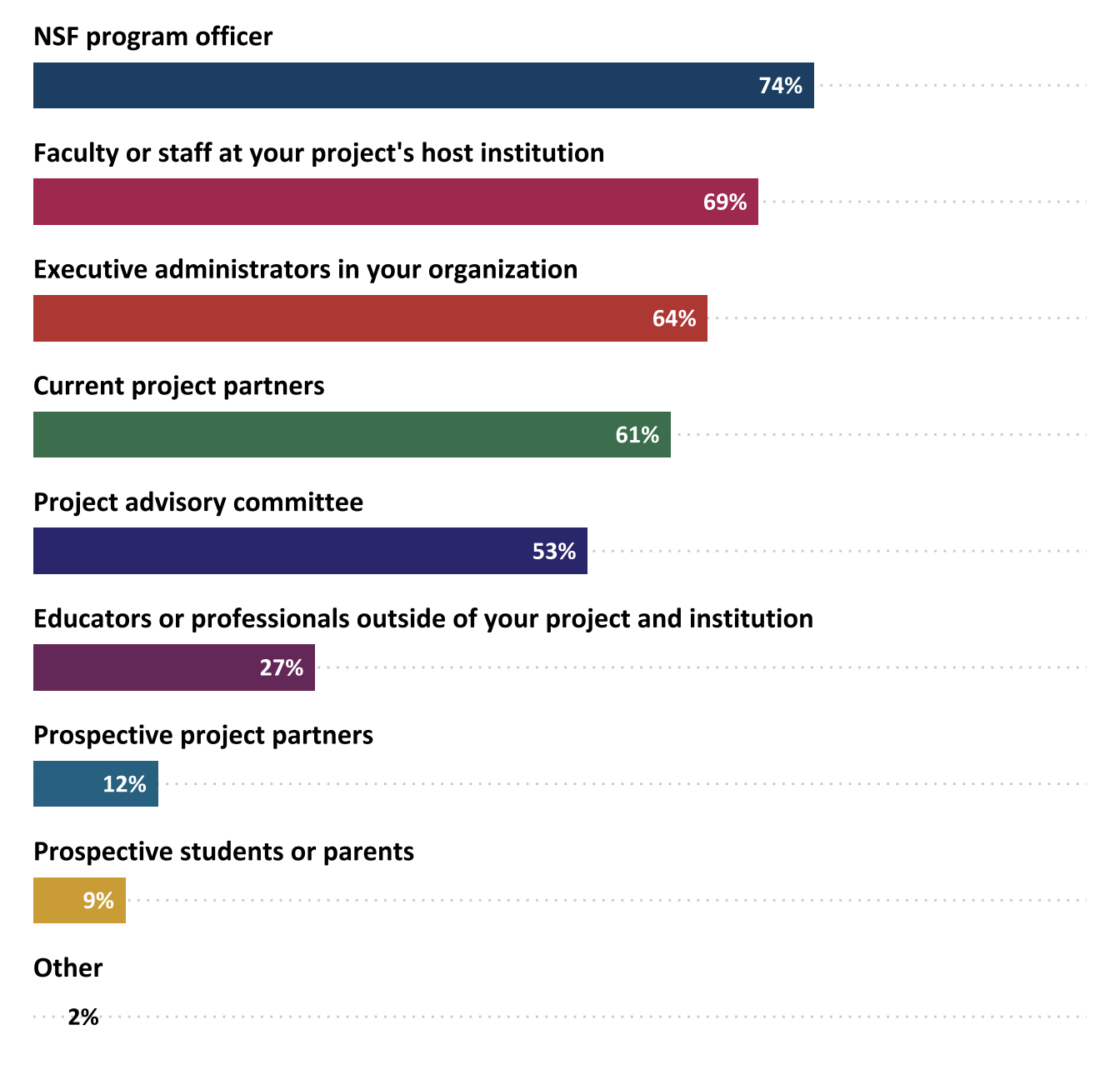
Figure 11.2: Percentage of projects that shared their evaluation results with various audiences (n=228)